About this campaign
Looks like your text is -165 character over the limit. Please shorten it to 200 characters or less.
Looks like your text is -165 character over the limit. Please shorten it to 200 characters or less.
As climate change compounds threats from habitat loss, degradation, and fragmentation, migratory bird numbers are in serious decline. At Vermont Land Trust, we help owners and managers of conserved woodland mimic the natural processes that occur in our forests to create higher quality bird habitat. Using forest management practices recommended by the Audubon Silviculture with Birds in Mind program, we can provide more resources and safe places for forest birds to rest, nest, and forage.
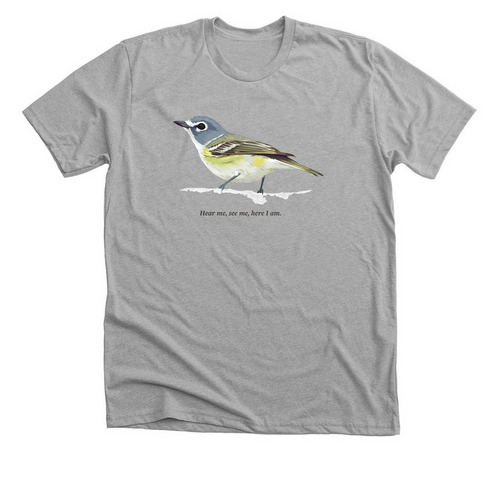
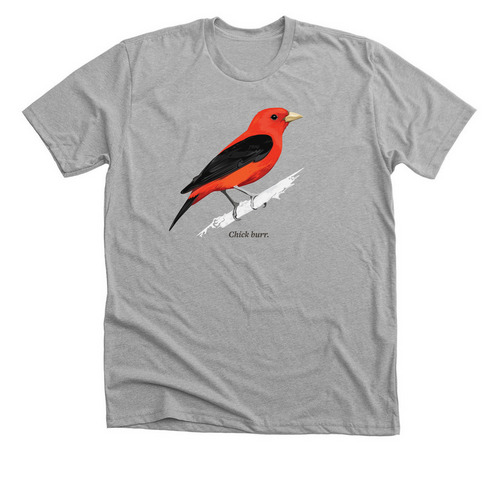
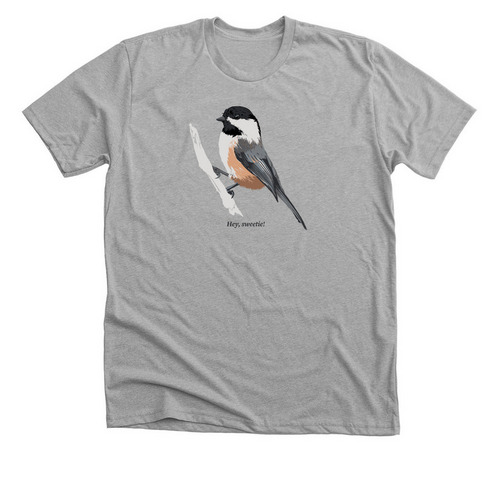
To celebrate our latest forest management improvements for birds and our new interpretive birding trail at Pratt Refuge in Duxbury, we are offering limited edition t-shirts of each forest bird featured along the trail. Sign up for our enewsletter (sent every two weeks) to be the first to be notified of new designs.
Looks like your text is -9191 character over the limit. Please shorten it to 10000 characters or less.
Looks like your text is -161 character over the limit. Please shorten it to 200 characters or less.
Looks like your text is -161 character over the limit. Please shorten it to 200 characters or less.
The Yellow-bellied Sapsucker, which is actually a type of woodpecker, pecks rows of round holes on the trunks of hemlocks, basswoods, and other trees. The holes fill with sap, which attracts this bird?s favorite meal: insects. They also eat buds and sap.
This migratory bird depends on dead, standing trees (also called ?snags?) to make holes to nest and roost in.
What to listen for:
A nasal ?meew, meew, meew? that sounds like a squeaky toy. Or drumming that slows at the end.
Looks like your text is -9519 character over the limit. Please shorten it to 10000 characters or less.
Looks like your text is -176 character over the limit. Please shorten it to 200 characters or less.
Looks like your text is -176 character over the limit. Please shorten it to 200 characters or less.
Rooted in Vermont since 1977, we have protected more than 650,000 acres of farmland, forestland, and community lands, covering over 11% of the state. Much of this land is privately owned and contributes to our abundance of local food, maple and timber products, tourism and recreation, and the vitality of our towns and villages.
Looks like your text is -9671 character over the limit. Please shorten it to 10000 characters or less.
Learn more at: vlt.org
Looks like your text is -9978 character over the limit. Please shorten it to 10000 characters or less.